Introduction: The Quiet Power of Privacy in Cross-Border Co-Branding
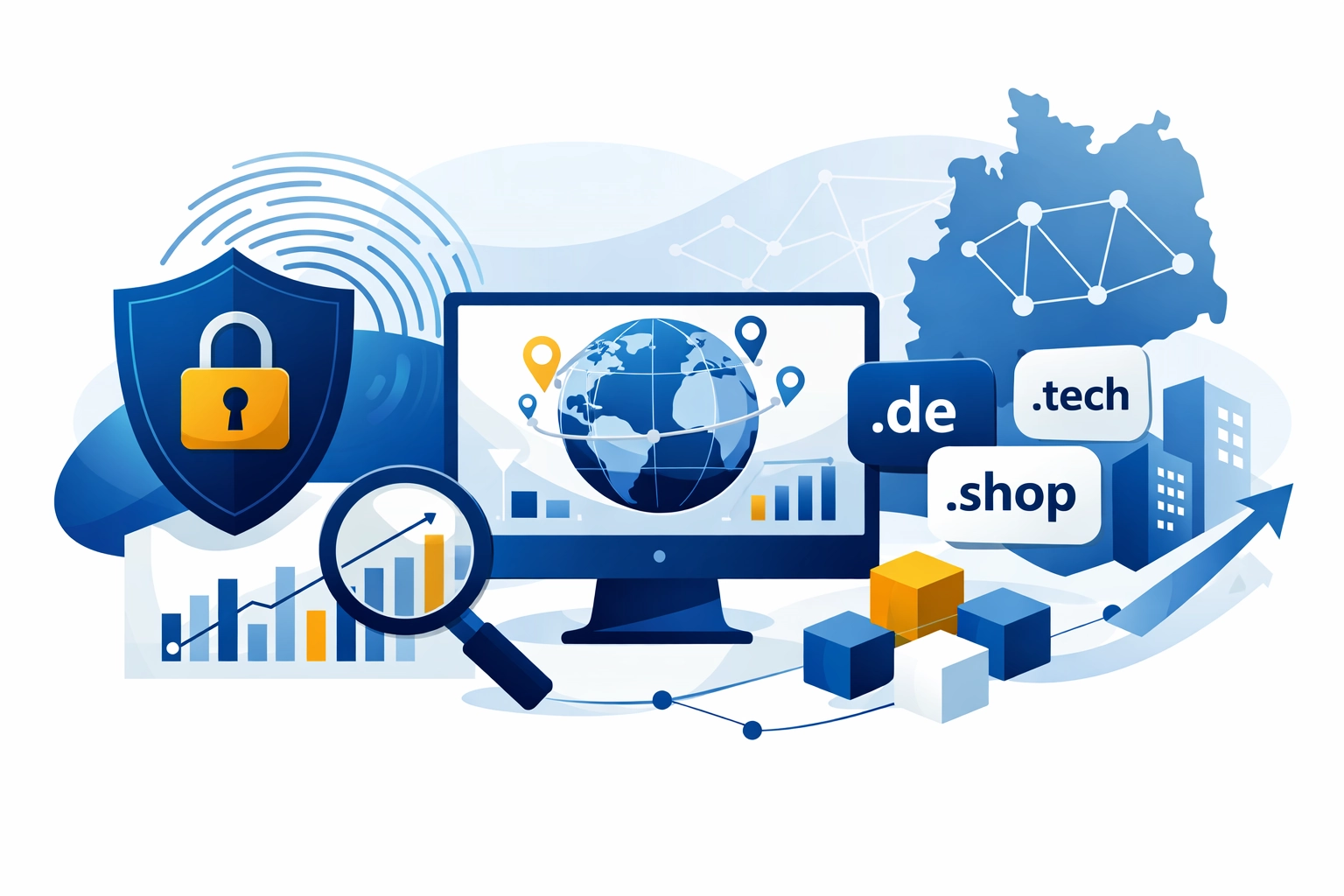
The last decade has seen brands move beyond a single country footprint to orchestrate complex, multinational partnerships. In Europe, latency between speed-to-market and regulatory compliance is a perpetual tug-of-war, especially when co-branding with suppliers, distributors, or technology partners across 500+ TLDs. The answer isn’t simply to hide or disclose; it’s to architect a disciplined, privacy-forward domain strategy that preserves brand integrity while preserving legitimate access for due diligence, risk management, and partnership governance. That’s the paradox at the heart of today’s most resilient enterprise domain portfolios: protection without paralyzing transparency. ICANN and privacy counsel increasingly remind us that the public surface of domain data is shifting, not vanishing, and responsible stewardship requires new workflows and tools. This article advances a niche, executable approach for cross-border B2B ecosystems that use privacy-first domains as a governance layer for secure co-branding across 500+ TLDs. (icann.org)
The Paradox of Privacy: Guarding Identity Without Blocking Due Diligence
Privacy protection in domain registration is no longer just a consumer-rights concern; it is a strategic capability for governance, risk, and brand integrity. GDPR-driven redactions and the shift toward RDAP-based data access have reshaped how organizations verify ownership, transfer rights, and partner legitimacy. In practice, this means privacy tools must be paired with controlled access processes, transparent governance, and auditable workflows. The result is a portfolio that shields sensitive information while enabling legitimate stakeholders—procurement teams, counsel, security officers, and M&A colleagues—to perform due diligence without exposing core brand assets. ICANN’s discussions around GDPR-compliant access and the development of pathways like the Registration Data Access Protocol (RDAP) illustrate this transition from public WHOIS to privacy-respecting data exchange. (icann.org)
A Niche Strategy: Privacy-First Domains as a Governance Layer for Cross-Border Partnerships
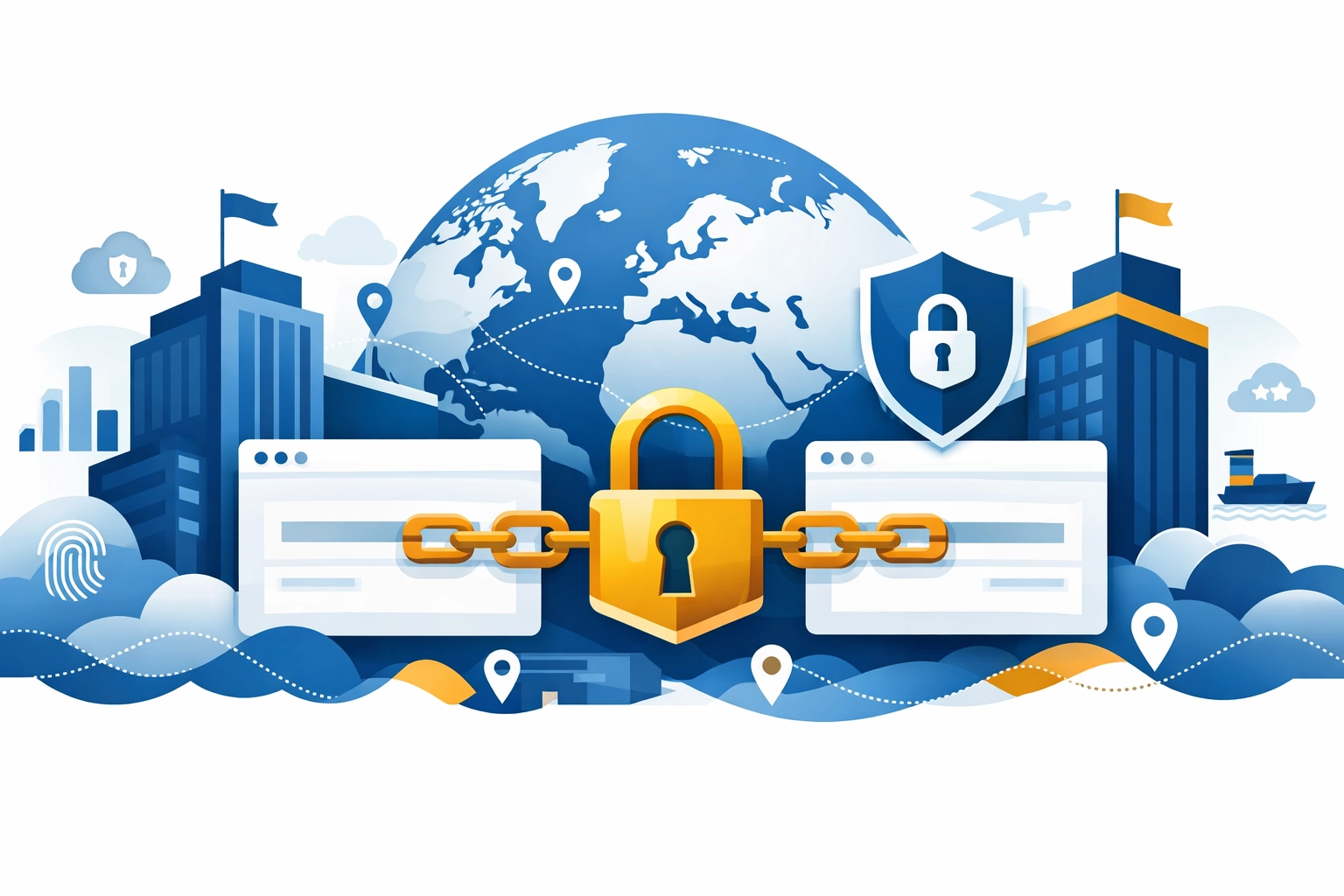
Traditional brand-portfolios focused on breadth and uniform visibility across markets. A privacy-forward approach reframes domains as a layered governance architecture. In cross-border B2B ecosystems, privacy-first domains serve as controlled interfaces for partner onboarding, supply-chain collaboration, and joint marketing while containing exposure of senior brand signals in high-stakes partnerships. The practical upshot is a portfolio that can be extended or contracted with confidence, supports due diligence through authenticated channels, and reduces the risk of impersonation or brand confusion in multi-lingual, multi-TLD campaigns. Industry observers note that privacy-protected domains are not a barrier to trust; instead, they are an enabler of trust when paired with robust access controls and brand-protection workflows. For example, privacy-centric registrars and RDAP-enabled access mechanisms are increasingly viewed as essential for compliant due diligence in cross-border deals. (dn.org)
5-Pillar Framework for a Privacy-First Co-Branding Portfolio
Below is a compact, actionable framework to design and operate a cross-border, privacy-forward domain portfolio. Each pillar is a guardrail that keeps market expansion aligned with regulatory and brand objectives.
- Governance and policy: Define formal ownership, access rights, and escalation paths for domain-related inquiries. Establish a central contact-point and an auditable change-log to support cross-border approvals and risk reviews.
- Privacy-forward registration: Use proxy/Whois-privacy services by default while preserving reachability and compliance through RDAP. Ensure policies align with GDPR, local laws, and ICANN guidelines to avoid gaps in enforcement or due-diligence friction. (protectedbyprivacy.com)
- Controlled exposure for co-branding: Map partner-facing assets (landing pages, co-branding micro-sites) to privacy-protected domains that reveal core branding only to authenticated parties. This reduces leak risk during onboarding and negotiation cycles.
- Portfolio breadth with protection: Extend TLD coverage across 500+ options, while locking critical brand signals behind privacy layers. This helps manage counterfeit and lookalike risks while enabling market testing and localization. Lookalike-domain trends underscore the need for proactive monitoring and rapid response. (upguard.com)
- Security and monitoring: Implement domain-impersonation detection, fast takedown workflows, and continuous brand monitoring. Agencies and risk platforms highlight the value of early impersonation alerts in protecting partner ecosystems. (fortra.com)
Operational Playbook: From Onboarding to Ongoing Governance
Translating the framework into daily practice requires a repeatable playbook. The following steps translate theory into practical steps for European, privacy-conscious B2B ecosystems.
- Step 1 — Define the partner-access model: Establish which partner cohorts can access which data and through what channels. Use authenticated access and regulatory-compliant disclosure pathways (e.g., RDAP-based lookups or RDRS where available) instead of broad public data. This preserves privacy without stalling due-diligence workflows. (blog.whoisjsonapi.com)
- Step 2 — Map co-branding assets to privacy-first domains: Assign privacy-protected domains to partner onboarding and co-branded campaigns, reserving non-sensitive, public-facing domains for broader marketing. This creates a controlled surface for partner interactions while shielding core brand attributes until approvals are in place.
- Step 3 — Create a disciplined transfer and brokerage path: When deals move toward integration or acquisition, leverage domain-transfer best practices and a formal brokerage process to preserve chain of title, control, and privacy safeguards. External governance and internal approvals should accompany every transfer.
- Step 4 — Enforce brand protection across the portfolio: Maintain consistent monitoring for impersonation, typosquatting, and lookalike domains. Use automated takedown workflows and manual review for high-risk cases. This is essential to protect partner networks from credential or phishing threats. (upguard.com)
- Step 5 — Audit and refine: Run quarterly governance reviews to adjust access controls, pricing, and domain scopes in response to regulatory updates, market changes, or new partner agreements. This keeps the privacy-first framework resilient over time.
Expert Insight and Practical Limitations
Expert insight: In practice, privacy-forward domains are a governance tool, not a shield. They enable controlled exposure and clean audit trails for due diligence, while reducing brand risk from impersonation. The key is pairing privacy with disciplined access, clear contractual rights, and robust monitoring. Without those elements, privacy protections alone can impede legitimate collaboration and slow down legitimate transactions. A privacy-law practitioner observing EU and global trends notes that “the real value lies in combining privacy protections with well-defined workflows for access, disclosure, and remediation.” (dn.org)
Limitations and common mistakes: Several traps can undermine a privacy-forward program. First, treating privacy as a shield without accompanying governance can create opaque processes that hinder due diligence. Second, misaligning with legal or compliance teams can lead to conflicting requirements around data access and disclosure. Third, assuming that more TLDs automatically yield better outcomes ignores the cost and complexity of monitoring, refreshing, and securing a broad surface. Finally, neglecting partner education about privacy protocols increases the risk of miscommunication and missteps during onboarding. These limitations are echoed in industry discussions about GDPR’s impact on data access and due diligence, which emphasize the need for authenticated channels and governance around non-public data. (dn.org)
A Practical Example: German B2B Vendor Ecosystem and 500+ TLDs
Consider a German engineering firm expanding its vendor ecosystem across Europe. The company could establish a privacy-first domain portfolio that includes privacy-protected domains for partner onboarding in key markets (e.g., .de, .eu equivalents, and regional TLDs across Western Europe). Private-facing domains would be used for NDA exchanges, contract redlines, and due-diligence packets, while public-facing domains would host general marketing materials. In this scenario, controlled exposure helps reduce leakage of strategic branding elements prior to signing while maintaining verified channels for legitimate due diligence. Industry analysts note the importance of privacy-backed governance in cross-border deals, where access to accurate ownership data remains a challenge in a GDPR-compliant environment. The ongoing evolution of RDAP-based data access and the push for more transparent, privacy-respecting workflows underscore the practical viability of this approach. (icann.org)
Linking to Real-World Resources: Where to Start
To operationalize a privacy-first co-branding strategy, organizations often begin with a vendor that provides a broad TLD catalog, a privacy-first registration capability, and governance tools for cross-border workflows. For readers seeking concrete avenues to explore, note the following client-facing resources that align with the governance and portfolio-building perspective described here: - Explore domain listings by TLD to understand breadth and localization options: List of domains by TLDs. - Review pricing and service-level details to plan budgets for a privacy-forward approach: Pricing. - Access a dedicated RDAP & WHOIS database to support compliant data access and due diligence workflows: RDAP & WHOIS Database.
Beyond partner onboarding, the broader category of domain protection services remains central to a privacy-first mindset. A well-rounded program should interweave domain transfer and brokerage capabilities with brand-protection tooling to mitigate impersonation risks across markets. For organizations seeking a practical, policy-driven perspective, the literature and professional networks emphasize the importance of combining privacy protections with auditable processes for due diligence and M&A activities. (dn.org)
Limitations of the Privacy-First Paradigm and How to Mitigate Them
While privacy-first domains offer substantial governance advantages, they are not a panacea. The most effective programs balance privacy with transparency through authenticated access, clearly defined use cases, and continuous monitoring. Without such a balance, organizations risk friction in vendor onboarding, slower response to regulatory requests, or gaps in due diligence data. The literature on GDPR’s effect on WHOIS and data access consistently highlights the need for structured, lawful access channels rather than ad hoc data harvesting. Ensuring that access requests are legitimate, documented, and compliant with local and international rules is essential to sustaining a privacy-first regime. (icann.org)
Conclusion: Privacy-First Domains as a Strategic Imperative, Not a Privilege
Across Europe’s multi-jurisdictional business landscape, privacy-forward domain portfolios can act as a formal governance layer that protects brand integrity while enabling legitimate cross-border collaboration. The right mix of privacy-protected domains, authenticated access workflows, and proactive brand monitoring creates a resilient foundation for co-branding strategies in which trust, compliance, and agility coexist. This is not about choosing privacy over transparency; it is about engineering a transparent, auditable privacy regime that makes cross-border partnerships safer, faster, and more scalable. For organizations ready to test this approach, the practical steps include mapping partner onboarding workflows to privacy-first domains, establishing governance policies, and integrating RDAP-enabled data-access channels into due-diligence routines. The payoff is a portfolio that scales with confidence, reduces impersonation risk, and strengthens trust with partners and customers alike.