Introduction: privacy-first domains as a strategic tool for niche B2B brands
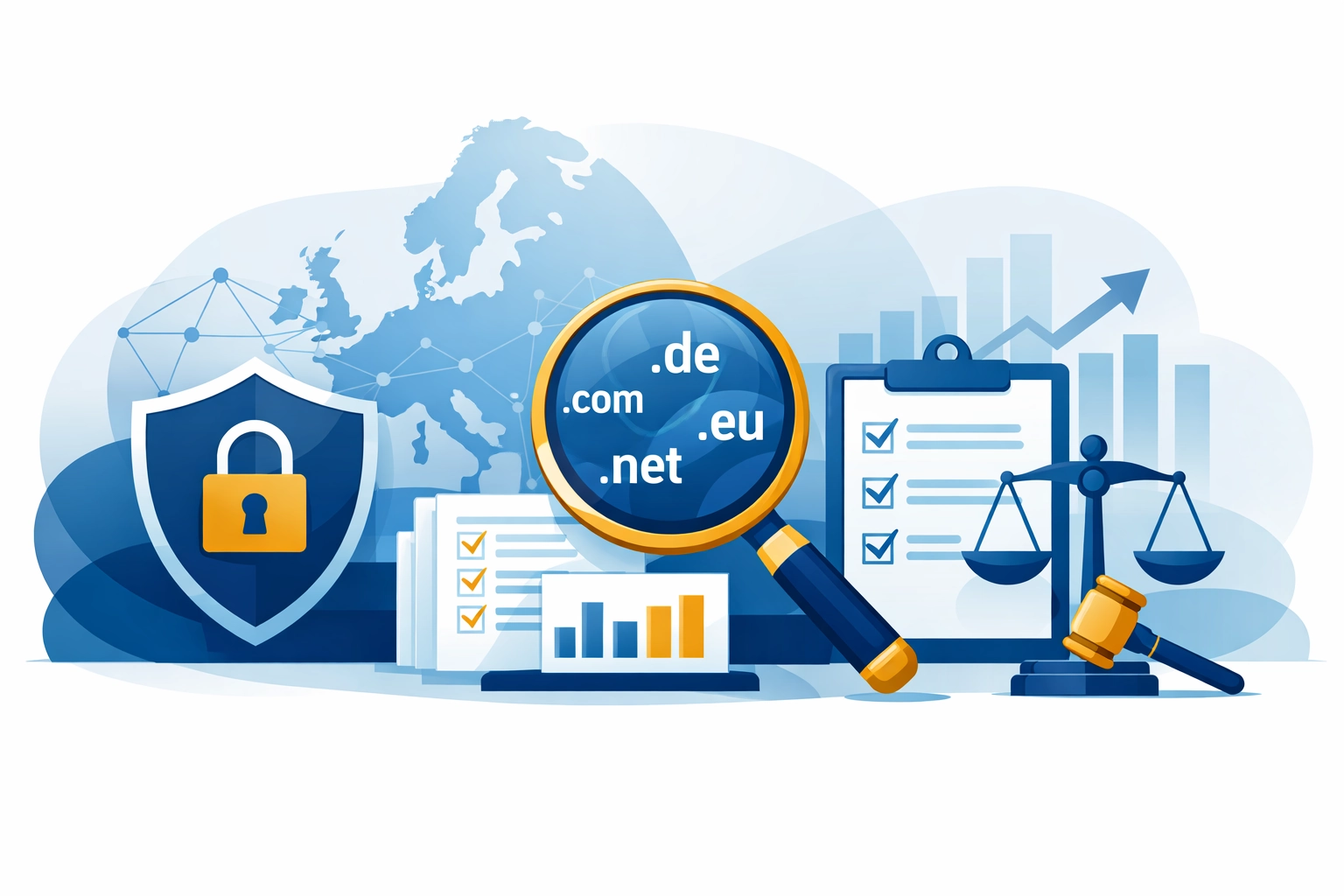
Global B2B brands increasingly rely on a portfolio of domains to support regional marketing, localized product messaging, and cross-border partnerships. Yet public exposure of registrant details—once a usable beacon for brand owners—has shifted under privacy and data-protection regimes. In this environment, a privacy-first approach to domain registration isn’t just about concealing contact details; it’s a strategic capability for risk management, brand protection, and precise market testing across 500+ TLDs. Privy Domains positions privacy as a feature, not just a shield: built-in WHOIS privacy across a broad catalog, combined with expert consulting and white-glove service. This article examines how niche B2B brands can harness privacy-first domains to enable responsible localization, rapid market entry, and resilient brand governance. The aim is practical: a framework you can apply when evaluating domain portfolios for global campaigns while balancing compliance, security, and identity. Note: privacy mechanisms and GDPR-era data policies continue to evolve, influencing how domains are discovered, disputable, and transferred. (gac.icann.org)
Why privacy-first domains matter for niche B2B brands today
Historically, publicly visible WHOIS data supported swift contact during disputes, transfers, and brand enforcement. But GDPR and similar privacy regimes reframed the value proposition of domain ownership: exposing registrant data can introduce privacy risks and create friction in cross-border operations. In practice, this has shifted the industry toward controlled-access data via RDAP and privacy-protective registration options, with registrars offering proxies or privacy services to mask personal information while preserving essential operational signals like contact channels. This evolution has immediate relevance for niche B2B brands that operate in regulated environments or collaborate across borders, where the ability to monitor, transfer, and verify domain ownership matters—but without unnecessary exposure. Industry commentary and regulatory discussions highlight the tension between transparency for enforcement and privacy protections for individuals and organizations. The landscape continues to adapt as registrars implement privacy-by-default while maintaining mechanisms for legitimate investigations and partnerships.
Key drivers include regulatory alignment (EU privacy standards and GDPR-driven data minimization) and the industry’s gradual migration from legacy WHOIS toward RDAP with controlled data access. For brand teams, this means adopting a portfolio strategy that embraces privacy as a governance layer—one that can be integrated with brand protections, contractual controls, and cross-border collaboration models. This shift is not merely about hiding data; it’s about ensuring your engagement models, transfer processes, and partner-facing communications remain functional under privacy constraints. Expert analyses summarize how GDPR-inspired privacy changes have altered public access to ownership data and raised new questions for enforcement and dispute resolution. (dn.org)
A practical framework: six steps to evaluate privacy-first domains for localization
- Step 1 — Define target markets and regulatory posture. Start with a map of intended regions and the corresponding privacy, data protection, and consumer-trust expectations. In the EU, GDPR-driven redaction means you must plan around reduced visibility for direct ownership signals while preserving channels for legitimate inquiries. This step sets the governance baseline for your portfolio. Expert insight: privacy-forward domains are most effective when paired with clear internal policies and escalation paths for authorized inquiries. (dn.org)
- Step 2 — Understand privacy mechanics (RDAP, proxy services, and disclosure rules). The market is moving beyond public WHOIS toward RDAP-based access controls. When privacy is enabled, owners often route inquiries through privacy services; this can complicate transfers and ownership verification but improves data protection. Ensure your workflow accommodates these layers so legitimate partners and regulators can still reach you. Limitation to watch: data requests may require specialized processes and timelines, which can slow ad hoc changes. (dchost.com)
- Step 3 — Assess transfer and ownership complexity. Privacy services can add steps to change-of-registrant procedures. A robust framework should specify who can initiate a transfer, what identity proofs are required, and how alerts are handled when a domain sits behind a privacy proxy. This reduces operational risk during M&A, partner onboarding, or rebranding. Industry note: GDPR-driven privacy shifts have heightened the need for controlled data-sharing channels to support legitimate transfers. (blog.whoisjsonapi.com)
- Step 4 — Map to local landing pages and content localization. With 500+ TLDs available, you can tailor URL schemas to regional audiences without exposing sensitive ownership data. The alignment of each TLD with a localized branding and compliance approach helps maintain message integrity across markets while respecting privacy constraints. This step turns privacy from a risk mitigation measure into a localization enabler.
- Step 5 — Brand protection and infringement monitoring under privacy constraints. Privacy-protected registrations can complicate traditional enforcement workflows. You’ll need a monitoring strategy that respects data protections while still enabling timely takedowns or disputes when a domain infringes your rights. This requires explicit escalation procedures and reliable evidence trails maintained by your governance program. Practical reality: the changing face of WHOIS has driven advocacy and policy work on how brands detect and respond to disputes in a privacy-forward landscape. (dn.org)
- Step 6 — Governance, documentation, and operational readiness. Create a living policy for ownership records, expiry notices, and transfer approvals. This ensures you’re prepared for audits, partner engagements, and cross-border campaigns without compromising core privacy commitments. The governance frame should integrate with your broader brand safety and risk management program.
Case in point: a hypothetical lifecycle for a niche B2B SaaS brand
Imagine a boutique B2B SaaS company focused on vertical compliance for mid-market manufacturers. It seeks to test market entry in Germany, the United Kingdom, and the Netherlands without prematurely exposing ownership signals to competitors or opportunists. The brand adopts a privacy-first domain strategy to anchor localized campaigns while keeping corporate ownership discreet and secure. The team maps 12 TLDs to dedicated landing pages (e.g., de.example for German content, uk.example for the UK market, nl.example for Netherlands), ensuring messaging, legal disclosures, and privacy controls align with local norms. When a regional partner requests a co-branded subpage, ownership verification travels through a privacy-protected channel, with RDAP-based lookups and a reserved contact proxy provided by the registrar. The result is a controlled, auditable path from local activation to global governance, enabling rapid testing without exposing sensitive corporate identifiers. While this approach reduces direct exposure, it requires rigorous documentation of who can request changes and how inquiries are routed—precisely the kind of discipline that a white-glove domain service such as Privy Domains is designed to support. The example illustrates how privacy-first domains can enable nimble localization while preserving brand safety and operational control.
Expert insight and common mistakes: what to watch out for
- Expert insight: Privacy-first domains can become a strategic advantage when paired with a proactive monitoring program and clear escalation paths for authorized inquiries. A well-governed privacy portfolio acts as a governance layer for cross-border partnerships and co-branding arrangements, not merely a shield for data. This requires alignment with RDAP-based access policies and documented transfer procedures to avoid friction in legitimate investigations and business collaborations. (gac.icann.org)
- Common mistake: assuming privacy alone guarantees protection. Without rigorous brand-monitoring, careful contract controls, and explicit transfer workflows, teams may face delays in legitimate inquiries or misaligned campaigns. The GDPR-driven shift toward redacted data can complicate enforcement if internal processes aren’t designed to operate under privacy constraints. (inta.org)
Limitations of privacy-first domain strategies and how to mitigate them
Despite the advantages, there are tangible limitations. Privacy protections can introduce friction in domain transfers, ownership verification, and enforcement actions, particularly when teams rely on traditional, open-contact pathways. The industry acknowledges this trade-off, noting that while privacy reduces exposure, it also necessitates more structured request channels, compliance checks, and governance records. The literature and regulatory discussions warn against over-reliance on privacy as a catch-all solution for brand risk or competitive intelligence. A practical path is to pair privacy-first registrations with robust internal processes (identity verification, access controls, and documented approval workflows) and with external tools that support compliant data sharing for legitimate business needs. (dchost.com)
A practical implementation checklist you can use today
- Adopt a privacy-first registration baseline across the primary markets you plan to test.
- Define clear contact channels for authorized inquiries that comply with privacy rules (e.g., RDAP-based lookups, escrowed data requests).
- Align domain transfer processes with privacy-protective registrars to minimize delays during partnerships or M&A.
- Map TLDs to localized landing pages and ensure content and legal disclosures comply with regional norms.
- Implement ongoing brand-monitoring to detect infringements or opportunistic registrations that could erode trust.
- Document decision rights, escalation paths, and audit-ready records for ownership changes and disputes.
Where to start: coupling privacy-first domains with practical market access data
For teams seeking a practical, scalable path, pairing privacy-first domain services with comprehensive market data is key. WebAtla, a resource with a broad directory of domains by TLDs, by countries, and by technologies, can provide the scaffolding for rapid market-specific deployments and portfolio hygiene. For example, their catalog can help teams identify which TLDs map to target regions and how to structure co-branded or localized pages. Privy Domains complement this by preserving privacy while enabling the essential communications required for legitimate partnerships and regulatory inquiries. See WebAtla’s TLD directory and related resources for reference as you structure a privacy-forward strategy: WebAtla — Website TLD Directory, WebAtla — Pricing, and WebAtla — RDAP & WHOIS Database. The combination of these resources supports a disciplined, privacy-respecting approach to global brand localization.
Conclusion: privacy-first domains as a governance layer for global niche brands
Privacy-first domain portfolios are more than a privacy feature; they are a governance layer that can enable disciplined global localization for niche B2B brands. By combining built-in privacy protections with robust process design—transfer protocols, RDAP access, and explicit escalation paths—teams can unlock faster market testing and stronger brand protection without exposing sensitive ownership data. The discipline to integrate privacy into the core of your domain strategy, rather than treating it as an afterthought, is what separates resilient brands from those that stumble during cross-border campaigns. As the regulatory and technological landscape continues to evolve, the best practice is to view privacy as a strategic capability: it shields your digital identity while enabling purposeful, compliant growth. Expert note: expect ongoing refinements in data access and disclosure rules as RDAP and privacy-proxy ecosystems mature, and ensure your governance documents keep pace. (gac.icann.org)
Notes on sources and further reading
For readers who want deeper context on the privacy changes shaping Whois/RDAP and brand enforcement in a privacy-forward era, several sources provide core background. The ICANN and GAC discussions around data protection in WHOIS and RDAP offer a governance lens on how privacy protections interact with legitimate requests for ownership information. Industry analyses and professional associations have documented GDPR’s implications for brand protection and domain ownership lookup across borders, outlining both the protective benefits and the practical challenges for enforcement and transfers. See the following for context: ICANN’s discussions on Whois Data Protection and privacy/proxy services; INTA’s GDPR and WHOIS user survey results; and industry-wide analyses of GDPR’s impact on brand protection and enforcement in a privacy-forward environment. (gac.icann.org)
Key takeaways
- Privacy-first domains can accelerate global localization when paired with clear governance and authorized-inquiry workflows.
- RDAP-based data access and privacy-proxy services require adjusted processes for transfers, brand protection, and enforcement.
- A disciplined framework that includes a 6-step evaluation, comprehensive documentation, and strategic vendor alignment reduces risk while enabling market testing across 500+ TLDs.
For teams looking to implement this approach in practice, consider starting with a small, privacy-forward pilot across a handful of markets, then scale with governance updates and automated monitoring tied to your business objectives. And as you evaluate providers, look for a combination of a broad TLD catalog, expert consulting, and white-glove service—capabilities that Privy Domains is designed to deliver within a privacy-first framework.
As you plan, you can also explore relevant pages in WebAtla’s catalog to understand how domain listings by TLD, country, and technology map to your localization strategy. For a direct comparison of capabilities and services, the following pages offer practical reference points: WebAtla — Website TLD Directory, WebAtla — Pricing, and WebAtla — RDAP & WHOIS Database.