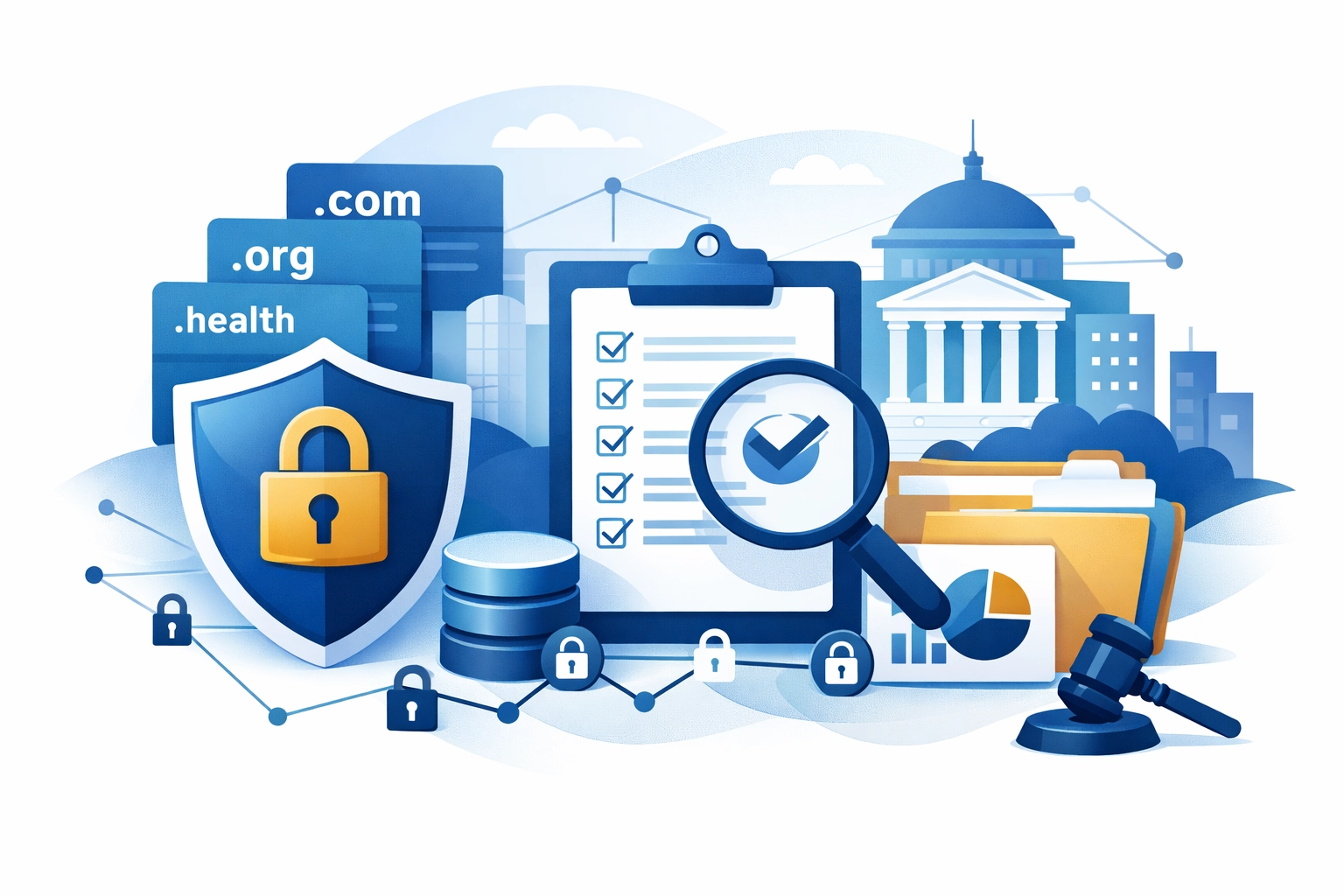
Introduction: privacy as a strategic asset in niche localization
For brands expanding across multilingual markets, the domain layer is more than a digital address — it’s a governance surface for trust, compliance, and local relevance. In 2026, a privacy-first domain portfolio is not just an optional layer of protection; it is a strategic mechanism enabling safer cross-border campaigns, more precise localization, and resilient partner ecosystems. Rather than treating privacy as a compliance checkbox, smart brands treat it as a portfolio discipline, integrating privacy protections with a nuanced understanding of local markets and brand architecture.
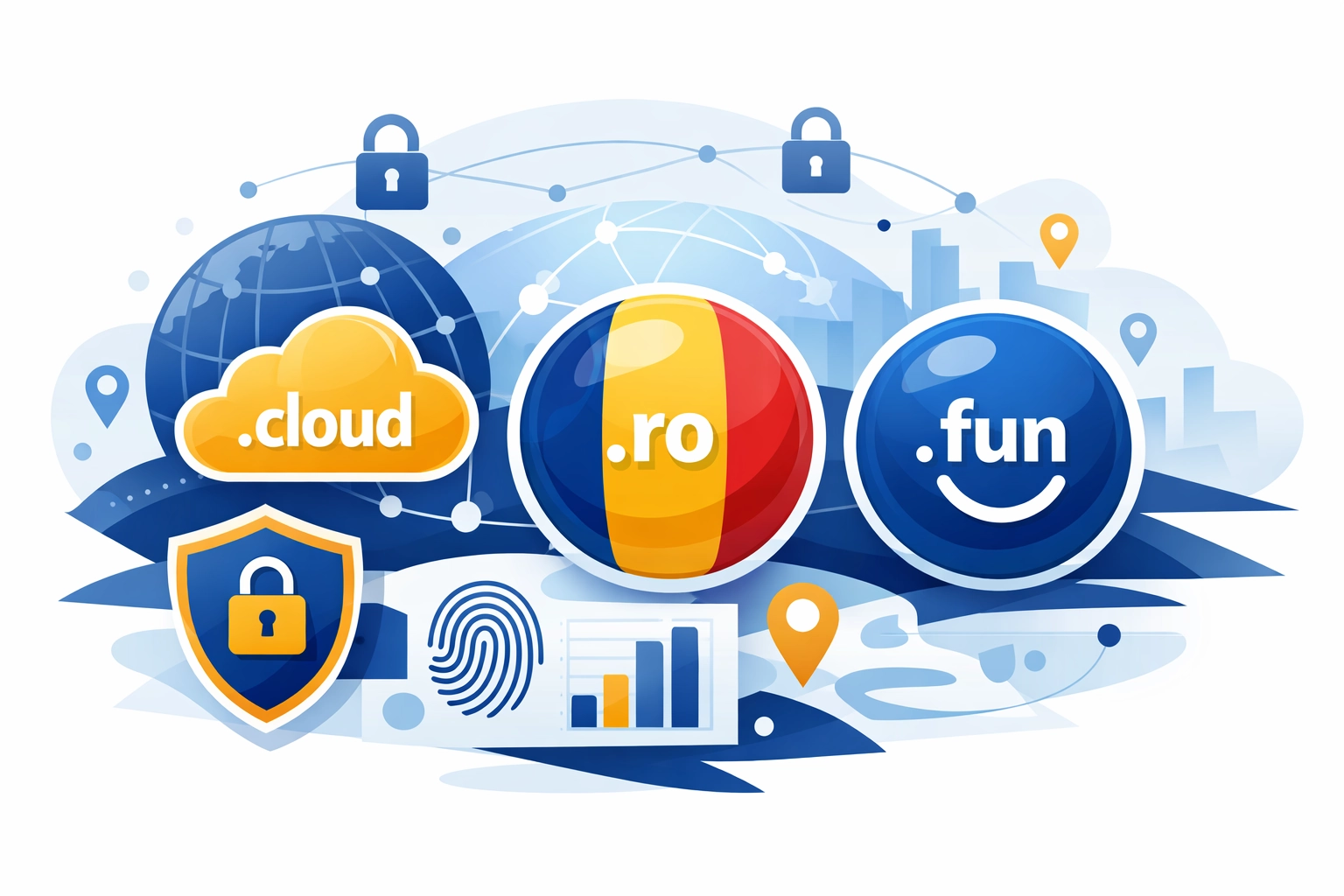
Today, registrars offer a sprawling universe of options — including 500+ TLDs — but the real value comes from pairing privacy protections with disciplined portfolio governance. This article offers a niche, implementation-focused perspective: how to design and operate a privacy-first domain portfolio to support targeted localization using niche TLDs such as .cloud, .ro, and .fun while maintaining robust brand protection.
Why privacy-first domains matter for localized branding
Two forces shape the current landscape. First, privacy-enhancing registration data practices — notably the shift from legacy WHOIS to RDAP — are changing how registrants’ information is accessed and who can interact with it. ICANN and industry observers emphasize privacy-forward data access, with RDAP designed to support privacy-aware responses and authenticated access patterns. In practice, this means fewer exposed consumer contact details in public records, which reduces exposure to misuse while maintaining essential operational signals for legitimate buyers and partners. ICANN RDAP FAQs and related governance materials provide context for this transition.
Second, the business case for privacy-aware domains hinges on risk management and brand safety. As brands expand into diverse jurisdictions, privacy protections reduce exposure to data breaches, unsolicited contact, and regulatory scrutiny—without sacrificing the ability to perform domain transfers, establish ownership, or engage with trusted broker networks. Legal and compliance teams increasingly demand predictable data-sharing practices, especially in markets with stringent privacy expectations. See ICANN’s guidance on transfers and the RDAP framework for a baseline understanding of how privacy-conscious access is being codified. ICANN Transfers FAQs.
Niche TLDs as a vehicle for privacy-forward localization
While broad TLD diversification remains valuable, a focused approach that pairs privacy protections with targeted TLDs can unlock distinctive advantages. Consider three archetypes:
- .cloud for technology and cloud-service brands seeking domain parity with their product narratives. A privacy-first approach here helps ensure that registrations do not prematurely expose internal project names, partner ecosystems, or marketing campaigns to the public registrar data space, while still enabling strategic redirection and transfer when needed. A cloud-focused slate also aligns with the rising importance of cloud-provider branding within localized markets.
- .ro (Romania) for European expansion and regional partner programs. Localized data protection regimes and GDPR-era expectations make privacy-preserving registrations especially relevant for cross-border campaigns and B2B partnerships that cross national boundaries.
- .fun for marketing-led campaigns, experiments, and micro-brands. In practice, privacy protections reduce the surface area for data leakage while allowing agile experimentation with short-lived campaigns that rely on branded, privacy-respecting domains as co-branding anchors in partner networks.
These archetypes illustrate how privacy-first domains can be used to support localization without surrendering control or exposing sensitive operational signals. Practically, you’ll want to source lists and purchase fixtures for such TLDs in a way that preserves privacy while enabling legitimate management actions — for instance, through a premium registrar that offers white-glove service and governance tooling. Privy Domains, for example, positions itself as a premium registrar experience with built-in privacy protections and expert consulting across 500+ TLDs. Privy Domains.
An expert look at the mechanics: privacy, RDAP, and the transfer lifecycle
Two core mechanics shape how privacy-first domains function in practice: the move from WHOIS to RDAP and the processes that govern domain transfers. RDAP provides structured, machine-readable registration data with built-in privacy controls, which is increasingly important for global brands managing cross-border campaigns. ICANN and industry participants emphasize that RDAP is the future-facing path for access to registration data, with GDPR-driven redaction rules complicating traditional WHOIS. These changes have real-world implications for local teams coordinating domain acquisitions, transfers, and brand protection efforts. RDAP FAQs and Transfer FAQs are essential starting points for teams new to privacy-forward domain management.
Beyond privacy rules, the practicalities of transfers remain critical. Transferring a domain to a new registrar involves unlocking the domain, obtaining an authorization code, and approving the transfer in a controlled sequence. While privacy protections redress certain exposure risks, they do not remove the approval workflows that keep domains under control during transitions. A modern transfer workflow is well-documented by registrars and industry guides; understanding it is essential for a privacy-first strategy that also supports rapid localization efforts. What is a Domain Transfer?
A four-step framework for privacy-first localization across 500+ TLDs
To operationalize a privacy-first approach in localization, use a framework that combines governance, technology, and market-specific considerations. The following four steps create a repeatable cycle that reduces risk and accelerates market entry:
- Step 1 — Discovery and risk mapping: Identify candidate TLDs that align with product narratives and regional strategies. Prioritize TLDs with established brand relevance in target markets and where privacy protections can be robustly applied without compromising operational visibility for legitimate business activities. Include a privacy risk assessment as part of the discovery to anticipate potential regulatory or partner-compliance concerns.
- Step 2 — Portfolio design and privacy posture: Design a portfolio that pairs privacy protections with practical branding needs. Decide where privacy-protected registrations are essential (e.g., product lines, campaigns, partner domains) and where standard registrations deliver more immediate operational value. Consider a consolidated management layer with a premium registrar capable of white-glove service and expert consultation.
- Step 3 — Acquisition, transfer readiness, and governance: Prepare transfer-ready registrations by maintaining clean admin records, ensuring consistent naming conventions, and aligning with brand guidelines. Use a documented transfer playbook to maintain control without slowing local campaigns. Reference RDAP-based data access policies and ensure that your governance framework addresses both data privacy and trademark considerations.
- Step 4 — Ongoing governance and measurement: Establish an ongoing governance cadence to review portfolio health, privacy risk exposure, and localization outcomes. Track KPIs such as transfer times, privacy exposure metrics, and a brand risk score that accounts for partner networks and co-branding activities.
Within this framework, the Privy Domains service model can play a role as the premium registrar layer that provides white-glove assistance, multi-TLD support, and privacy-forward management. The aim is not to create a fortress of privacy, but to embed privacy into the brand’s global localization governance. See Privy Domains for a practical example of a privacy-preserving, premium registrar experience. Privy Domains.
Expert insight and notable limitations
Expert insight: In practice, a privacy-first domain strategy works best when paired with a clear governance framework and explicit permissioned access policies. Without governance, the privacy protections can become a hurdle to legitimate operations like brand localization, partner onboarding, or cross-border transfers. The governance layer should specify who can view registration data, who can initiate transfers, and how privacy redaction is applied for specific campaigns without obscuring critical brand signals. This balance is non-trivial and benefits from a mature, policy-driven approach rather than ad hoc privacy choices.
Limitations and common mistakes: A frequent misstep is assuming that privacy alone preserves brand integrity. Privacy measures obscure personal contact data, but they do not replace trademark clearance, domain dispute risk assessment, or always-necessary localization testing. Another pitfall is selecting privacy-enabled domains without a plan for ongoing management; a domain without governance is a tacit risk, increasing the likelihood of mis-issued renewals, missed transfers, or misalignment with local regulatory expectations. Finally, some CC-TLDs and some newer gTLDs have evolving privacy and data-access rules; teams should stay current with ICANN and regional registry policies to avoid misconfigurations during launches or migrations. For a governance-first reference on privacy-enabled domains and cross-border considerations, review registrant guidance and RDAP policy updates from ICANN. RDAP FAQs and RDS-WHOIS2 Review.
Case illustration: a hypothetical 3-market privacy-first rollout
Imagine a mid-sized software company planning an international marketing push across three markets in 2026. The strategy centers on three privacy-forward domains to test local resonance while protecting corporate identity:
- example.cloud — primary product landing pages for cloud services with privacy protections masking internal dev naming from public view, while enabling region-specific redirection and content localization.
- example.ro — a Romanian-market domain enabling localized partner networks and local support content, with privacy protections to minimize exposure of executive contact details in public records while maintaining operational accessibility for authorized teams.
- example.fun — a campaign-domain for a localized, time-bound marketing drive in select markets, with privacy protections reducing the risk of misuse of registration data while supporting rapid campaign iteration and partner-brand alignment.
In this scenario, the brand would implement governance around who can view registrations, who can initiate transfers, and how privacy settings are applied per campaign. The value proposition is not merely to shield personal data; it is to create a resilient digital real estate layer that supports localized content, partner ecosystems, and rapid, privacy-compliant experimentation. The acquisition and management of these domains would be conducted through a premium registrar capable of white-glove service, with a blueprint that integrates with the broader brand-identity and trademark programs. For an example of the kind of data-access considerations that informed privacy-forward policies, explore the RDAP framework and related ICANN guidance. RDAP FAQs and RDS-WHOIS2 Review.
Limitations and common mistakes revisited
- Privacy is not a substitute for governance: A strong privacy posture must be complemented by explicit policies on data access, transfer approvals, and brand-ownership signals. Without governance, privacy protections may hinder legitimate operations or, conversely, regimens that are too lax may expose the brand to risk.
- Local regulatory alignment matters: GDPR and multi-jurisdictional privacy regimes influence how data is displayed and accessed for domain registrations. Flawed interpretation can lead to regulatory missteps even when a portfolio appears secure on the surface.
- Avoid over-reliance on privacy for dispute avoidance: Privacy alone does not resolve trademark conflicts or domain disputes. A well-rounded strategy must pair privacy with robust brand protection and dispute-resolution planning.
Closing: a governance-forward, localization-ready approach
Privacy-first domains are best viewed as a governance layer for a global brand’s digital real estate. They enable localization with a controlled data footprint, align with RDAP-based data access practices, and support cross-border campaigns in an increasingly privacy-conscious world. The premium registrar option, exemplified by Privy Domains’ white-glove service across 500+ TLDs, can be a practical way to operationalize this approach while keeping ownership, transfers, and privacy settings under strong control. For teams seeking a privacy-forward path that also supports operational flexibility, the label of a “premium registrar” is less a marketing badge and more a set of capabilities that reduce cycle times, improve governance, and ensure continuity across markets. Privy Domains can be part of a broader, multi-vendor strategy that includes RDAP-based data access, robust transfer playbooks, and ongoing brand protection activities. For teams looking to map a practical privacy-forward path using cloud-oriented, country-specific, and campaign-driven domains, starting with an audit of your current portfolio and a two-page policy on data-access controls can set a durable foundation. The future of domain strategy is privacy-informed, governance-driven, and localization-ready.