Problem and context
In today’s digital economy, European brands face a paradox: growth requires a broad domain footprint, yet privacy laws, regulatory expectations, and evolving data-access protocols demand tighter control over who can see domain-registration details. The expansion of top-level domains (TLDs) over the past decade has offered more branding latitude, regional specificity, and product-line separation. But it has also produced fragmentation: dozens, then hundreds, of potential domains to monitor, acquire, and protect. As Verisign’s Domain Name Industry Briefs show, global domain registrations have reached well over 370 million, with new gTLDs contributing to ongoing growth in the ecosystem. That growth underscores a simple truth for brand owners: scale introduces complexity, and privacy concerns compound that complexity. See Verisign Domain Name Industry Brief (Q2 2025) and related reports for the latest totals. (investor.verisign.com)
Beyond sheer numbers, another structural shift shapes strategic decisions: the transition from traditional WHOIS to the Registration Data Access Protocol (RDAP). ICANN and registries have moved to RDAP as the definitive mechanism for registration data, with a sunset of the basic WHOIS in many gTLDs slated around January 2025 and beyond. This shift has direct implications for privacy posture, data minimization, and how counsel or marketing teams manage domain portfolios. For brand owners, that means rethinking visibility—who can see what—and how to enforce protection without exposing personal data. RDAP’s standardized, JSON-based responses enable more predictable data access while enabling privacy protections where required by regulation.
GDPR and GDPR-like privacy considerations in the EU amplify these dynamics. Public WHOIS records can conflict with privacy regimes, pushing organizations to adopt privacy-protective registrant settings or proxy/privacy services. Industry experts emphasize that the best practice is to design a portfolio around privacy by default, especially for senior executives, founders, and brand assets with high visibility. See ICANN and privacy-proxy guidance for current policy context and enforcement considerations. (icann.org)
A Domain Zoning Framework for a privacy-forward, multi-TLD portfolio
Rather than a generic overview of domain registration, this article outlines a concrete, domain-zone-centric framework designed for European brands seeking scale, protection, and compliance across hundreds of TLDs. The framework, which we’ll call Domain Zoning, combines strategic zoning of brand identities with a privacy-first data approach, and it integrates transfer and brokerage practices, consultative services, and technology-enabled monitoring. The aim is to deliver a resilient portfolio that reduces risk, supports rapid expansion, and aligns with privacy and regulatory expectations in EU markets.
1) Define your core brand zones (the zoning map)
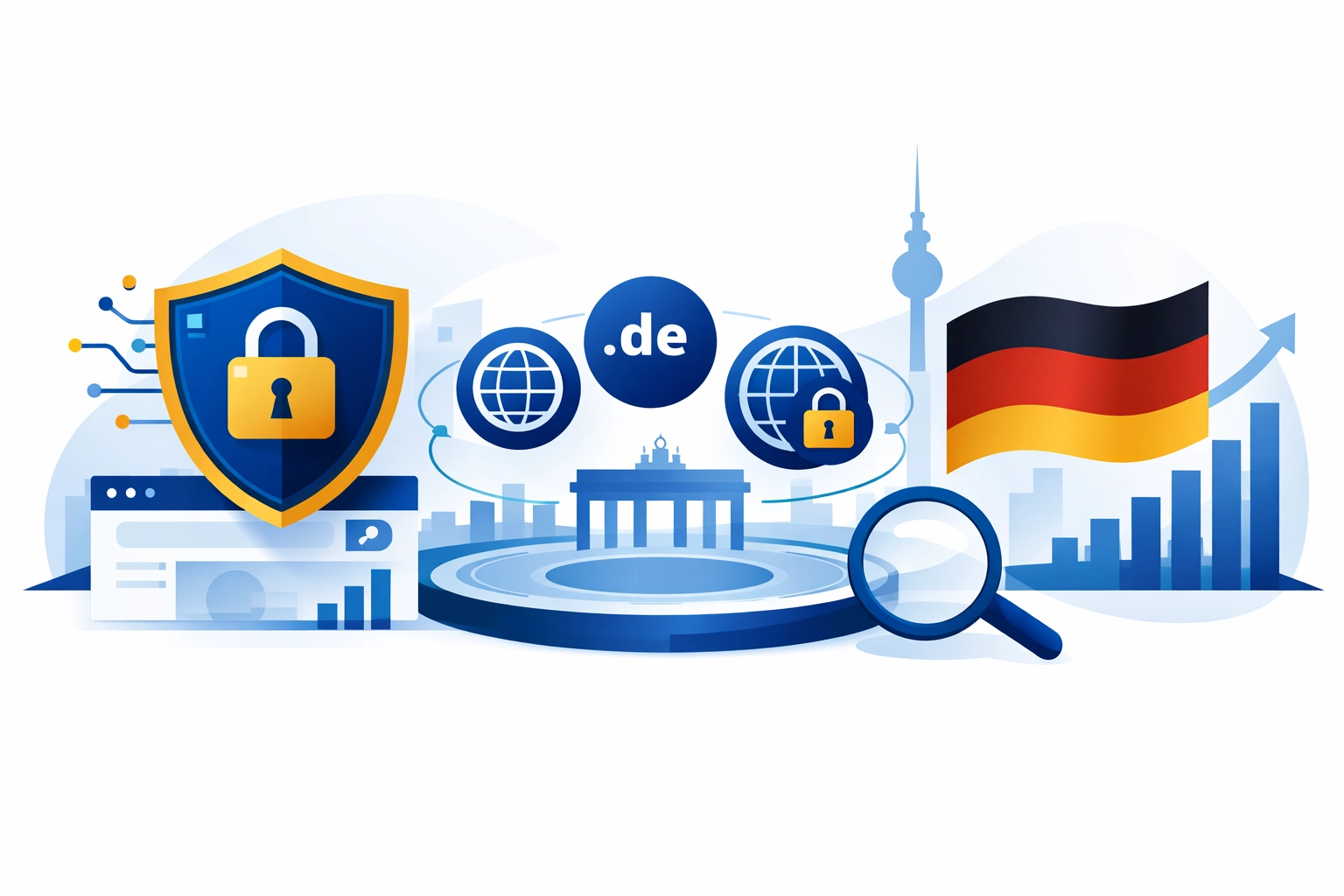
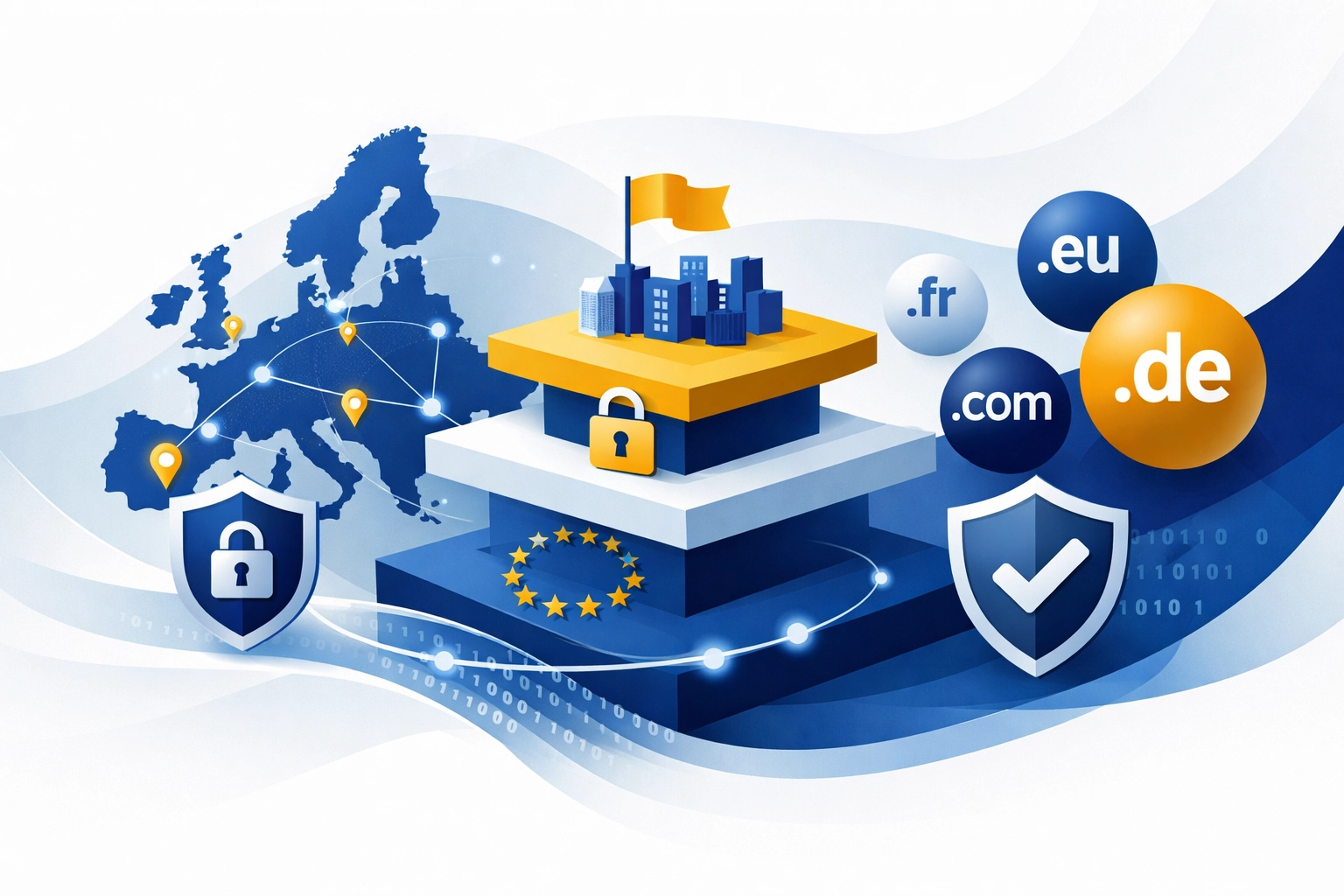
Start with a map of “brand zones”—the core identity, products, and markets that define your business. In practice, this means identifying a minimal but durable set of TLDs that anchor the brand in key regions (for Europe, .de, .eu, and relevant country-code domains) while reserving space for strategic branding through new gTLDs or industry-specific TLDs (for example, brand TLDs or location-based domains). A practical zoning map looks like:
- Core zones: the essential markets where your brand presence matters most (e.g., .de for Germany, .eu for the broader European footprint).
- Product/vertical zones: domain names that map to product lines or services (e.g., shop.yourbrand, service.yourbrand).
- Geographic or language zones: country-code domains and region-specific names that support localization.
- Protection zones: domains you register proactively to prevent brand bad-faith registrations or typosquatting.
Crafting this zoning map requires collaboration between marketing, legal, and IT; a misalignment between, say, marketing-driven acquisition and legal risk oversight can expose a portfolio to gaps or unnecessary procurement costs. Insight from industry practice suggests starting with a core set of high-ROI domains and expanding thoughtfully, guided by risk and opportunity rather than speed alone. A broad portfolio is valuable, but it’s only effective if it remains coherent and governable.
2) Establish a privacy posture that scales with your growth
Privacy posture is not a one-time setting; it is an architectural choice that must scale with the portfolio. In Europe, GDPR-compliant handling of registration data means avoiding unnecessary exposure of personal data in public records. RDAP, now widely deployed for gTLDs, supports structured data responses and can work in concert with privacy services to shield registrant information when appropriate. Organizations should evaluate options such as privacy/proxy services at the registrar level, complemented by domain-registration configurations that align with regional privacy expectations. ICANN guidance and regulatory updates stress that privacy services are a standard tool in the privacy-by-default toolkit, but they require careful terms-of-service review to avoid inadvertent missteps. ICANN’s RDAP rollout and privacy-proxy compliance materials provide the current policy context. (icann.org)
In a practical sense, this means choosing registrars and portfolio-management tools that support RDAP and that offer privacy options consistently across the TLDs you intend to use. It also means documenting who can access which data, how to handle data subject requests under GDPR, and how to monitor for privacy breaches or misconfigurations across the portfolio. The GDPR lens is not optional for EU brands; it’s a core aspect of risk management and brand protection in the digital era.
3) Build across hundreds of TLDs with a risk-adjusted expansion plan
The strategic idea here is not to chase every new TLD immediately, but to structure expansion around risk-adjusted ROI and governance. The market shows ongoing growth, with hundreds of TLDs in active use and continued demand for new brand registrations and defensive registrations. Verisign’s quarterly updates highlight robust market activity and growth trends across gTLDs and ccTLDs alike, underscoring the importance of deliberate, data-informed expansion decisions. For European brands, that means prioritizing jurisdictions with strong privacy laws and concrete market relevance while keeping a curated backlog of backup domains for defensive or branding purposes. See Verisign DNIB Q2 and Q3 2025 updates for current scale metrics. (investor.verisign.com)
To operationalize this, translate the zoning map into a practical acquisition queue, with criteria such as brand-ability, pronunciation, cross-language compatibility, potential trademark risk, and the feasibility of privacy-protective registrations across TLDs. A disciplined, data-driven approach reduces wasted spend on domains that don’t contribute to growth or protection. Privy Domains positions its platform around privacy-first domain protection across extensive TLD coverage, offering a gateway to scale with governance and privacy in mind. For readers evaluating the landscape, consider how you’ll manage privacy posture as you diversify across TLDs, not just how many domains you can register.
4) Integrate domain-transfer and brokerage capabilities into the playbook
Portfolio growth often requires acquiring domains from secondary markets or negotiating strategic transfers. A practical plan includes a defined transfer playbook (timelines, required documents, escrow steps) and a brokerage layer that can help identify valuable assets, negotiate terms, and execute efficiently. In EU markets, where regulatory and trademark considerations are stringent, a disciplined brokerage approach reduces the likelihood of post-acquisition disputes and helps preserve brand integrity. Several reputable providers offer domain brokerage and transfer services, and cross-vendor collaboration can be valuable when expanding into new jurisdictions or niche spaces. A structured approach ensures that each acquired asset aligns with your zoning map and privacy posture.
5) Monitor, audit, and adapt your portfolio against policy and threat landscapes
Portfolio governance is not a quarterly exercise; it requires continuous monitoring. RDAP-enabled data feeds, privacy policy updates, and trademark watch tools should feed a regular audit cycle. In practice, this means tracking changes to ownership records, privacy-protection status, and DNS configurations across the portfolio, coupled with a re-prioritization of defensive registrations where risk signals intensify. The EU’s privacy landscape and ongoing RDAP regulation updates make ongoing governance essential. As with any scalable program, the goal is to maintain a balance between comprehensiveness and manageability, ensuring that growth does not outpace the organization’s risk tolerance or compliance capabilities.
Expert insight and practical cautions
Expert insight: A leading industry consultant who focuses on brand protection across multi-TLD portfolios notes that the most effective strategies begin with a concise core zone and a defensible expansion vector. The consultant emphasizes three non-negotiables: governance that mirrors brand risk, a privacy-by-default posture across all domains, and an operational transfer/brokerage capability that can scale as the portfolio grows. This perspective aligns with the Domain Zoning framework’s emphasis on structured expansion, privacy, and defensible acquisitions.
Limitation / common mistake: Over-optimizing for size at the expense of governance. A portfolio that includes hundreds of domains but lacks consistent privacy settings, clear ownership records, and a documented transfer process is more vulnerable to privacy incidents, disputes, and cost overruns. The most successful EU-focused portfolios, in contrast, maintain clarity about who can access data, how to respond to data-subject requests, and how to enforce rights across multiple jurisdictions.
Putting it into practice: a 6-step action plan
- Audit your current footprint — inventory existing registrations, privacy settings, and ownership records. Map these to your brand zones and identify gaps where defensive registrations or privacy configurations are missing. This baseline informs the zoning map and expansion plan.
- Draft the Domain Zoning map — define core zones, product/vertical zones, geography/localization zones, and protection zones. Align these zones with regulatory risk in EU markets, especially around GDPR-compliance requirements.
- Choose a privacy-forward provisioning approach — decide whether to rely on registrar-provided privacy, per-domain privacy ser vices, or a centralized privacy framework, ensuring consistency across TLDs.
- Build the acquisition and transfer playbook — define steps for purchasing, escrow, and transfer. Include due-diligence checklists and a standard set of documents to accelerate closings while protecting brand rights.
- Prioritize high-ROI TLDs — begin with core geographies and product spaces, then expand to additional TLDs in a controlled manner, guided by ROI, risk, and operational capacity.
- Implement ongoing governance and monitoring — establish a cadence for RDAP/privacy policy reviews, brand-watch alerts, and data-subject request workflows. Use automation to flag changes in ownership, privacy settings, or DNS configurations.
Practical integration points with client capabilities
European brands seeking to enact Domain Zoning can leverage a mix of services across several providers to implement the framework effectively. For portfolio-level data and ongoing governance, a central RDAP/WHOIS data resource is essential. Webatla offers a RDAP & WHOIS Database resource to help teams access, normalize, and monitor domain-registration data across registries, supporting privacy-conscious governance and easier cross-TLD management. For region-specific domain lists and TLD coverage, Webatla’s directory of TLDs and country-specific domains can be a practical reference as you build the zoning map. For example, you can explore a country-specific listing like .de, .uk, and other EU geos via Webatla’s TLD pages. Readers may also consult Webatla’s pricing and service options to inform procurement decisions. RDAP & WHOIS Database and List of domains by TLDs are useful starting points. Additionally, the main Webatla site and pricing page can guide practical budgeting and resource planning: Webatla • Pricing.
Why this approach matters for Privy Domains and brand protection
Privy Domains’ mission to deliver privacy-protected domain registration aligns with the Domain Zoning framework’s emphasis on governance, scalability, and compliance. A privacy-forward portfolio reduces exposure in public records, helps maintain brand integrity, and supports a more resilient digital identity in EU markets. The multi-TLD approach expands reach while maintaining control through structured governance. The combination of a robust zoning map, privacy-by-default posture, and a disciplined transfer/brokerage workflow creates a scalable framework that can adapt to regulatory changes and market dynamics without sacrificing speed or reach.
Limitations and common mistakes (recap)
- Over-expansion without governance: chasing hundreds of domains without a clear ownership, privacy, and transfer framework increases risk and cost.
- Underestimating regulatory drift: GDPR and RDAP-related policy updates can change how data is displayed or accessed; ongoing monitoring is essential.
- Inconsistent privacy settings: mixed privacy configurations across TLDs create exposure; unify privacy posture across the portfolio.
- Neglecting defensive registrations: failing to protect brand terms in relevant TLDs invites typosquatting and impersonation.
- Insufficient transfer readiness: lacking a clear transfer playbook can slow acquisitions or complicate divestitures.
Conclusion
A privacy-forward, multi-TLD domain portfolio is not a luxury—it’s a strategic necessity for European brands pursuing growth in a regulated, privacy-conscious environment. By combining a Domain Zoning framework with RDAP-aligned governance, defensible acquisition practices, and disciplined monitoring, organizations can achieve scale without surrendering control or privacy. The numbers back the opportunity: global domain registrations continue to rise, driven by new gTLDs and expanding regional markets. For brand owners, this means building a portfolio that is not only large, but also coherent, protected, and compliant. If you are looking for a practical starting point, consider how your organization can map a core zone first, then layer in privacy-forward protections and targeted expansions. In this journey, Webatla’s RDAP/WHOIS data capabilities and the broader ecosystem of TLD resources provide tangible, actionable anchors to plan and execute a resilient strategy. For readers ready to dive in, a 360-degree approach—privacy by default, governance by design, and expansion with discipline—offers a path to sustainable brand protection in Europe and beyond.