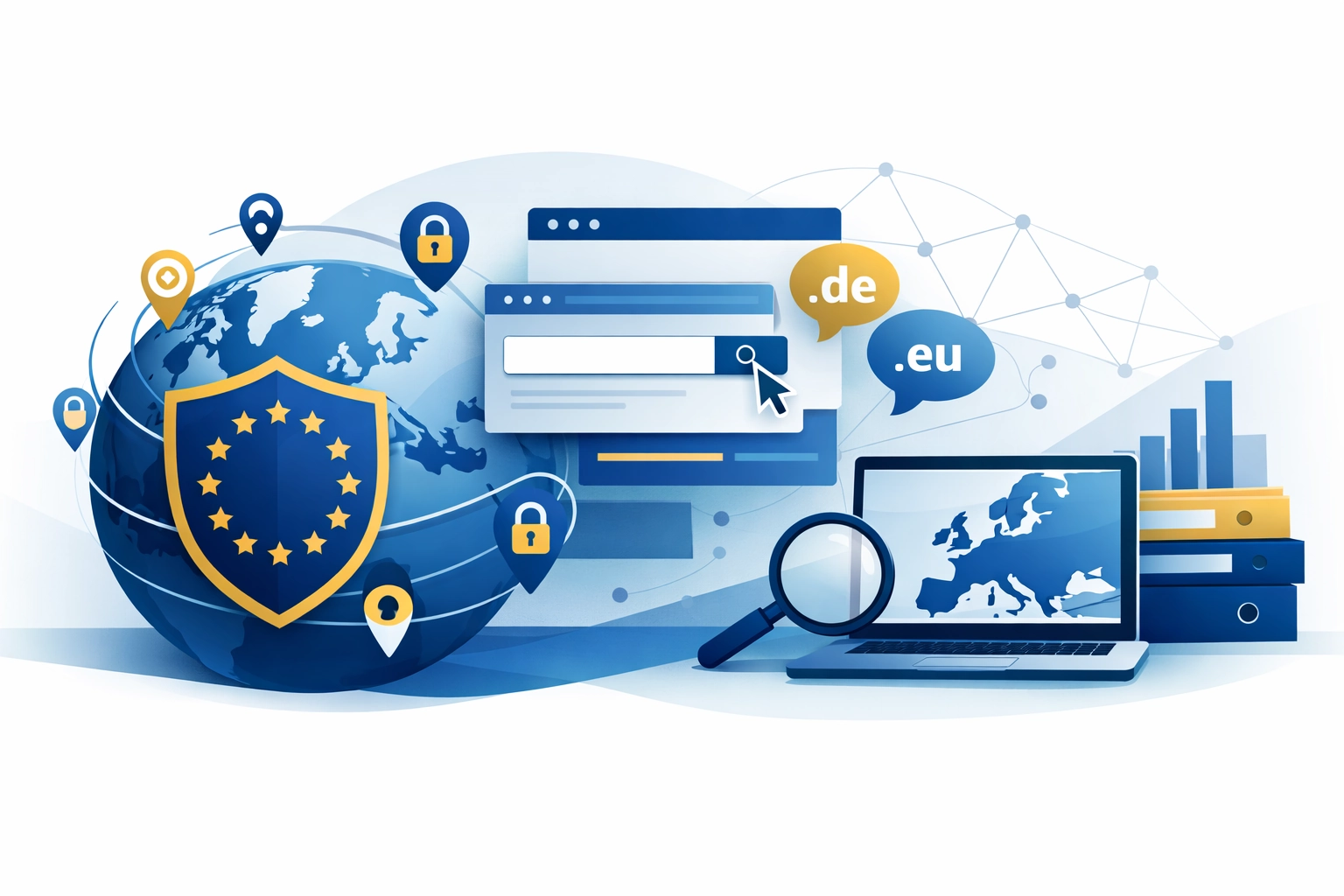
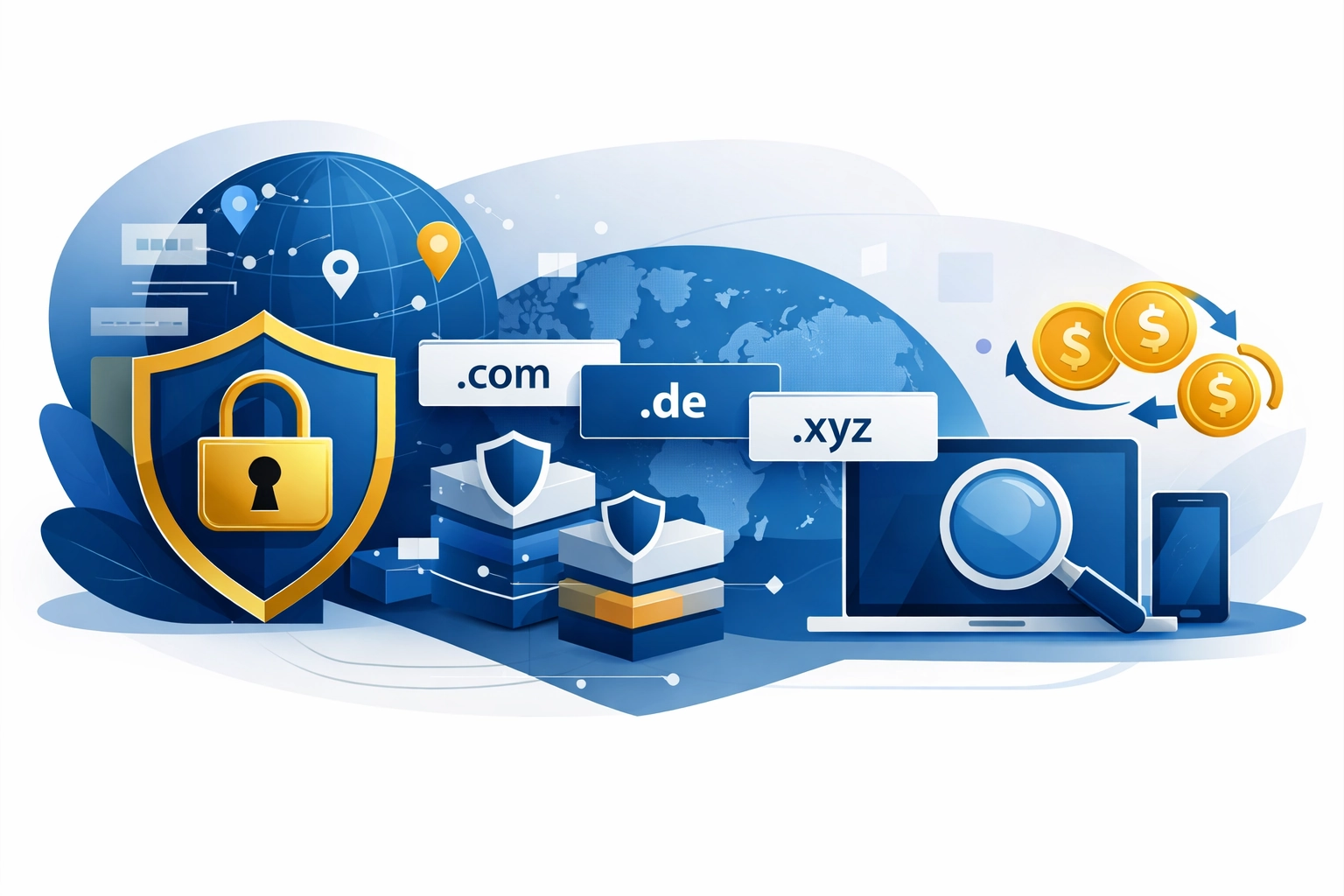
Introduction: a new edge for affiliate campaigns in a privacy-forward era
Affiliate programs thrive on speed, clarity, and trust. Yet the modern digital ecosystem—shaped by heightened privacy expectations and evolving data regulations—complicates how brands manage, share, and transfer domain assets across channels and partners. Domain names are no longer just brand touchpoints; they are governance artifacts that encode risk, ownership, and strategy. In 2026, a privacy-first approach to domain ownership is not merely a compliance checkbox; it is a strategic lever for affiliate marketers, performance partners, and regional teams who need distinct namespaces without exposing corporate ownership or diluting brand integrity. The core question becomes practical: how can brands scale a multi-TLD approach—500+ extensions and counting—while keeping ownership discreet, operations smooth, and partners confident? ICANN has accelerated the shift from legacy WHOIS to Registration Data Access Protocol (RDAP) to improve data handling, privacy controls, and auditing across registries and registrars, signaling a fundamental change in how domain data is accessed and used.
Two forces drive the current reality. First, GDPR and similar data-protection regimes in Europe and beyond push registrants toward redacted or proxy-identified contacts in public datasets. Second, RDAP provides a structured, access-controlled alternative to expose registration data when legitimate interests justify inquiry. Taken together, these developments create new possibilities for affiliate programs: you can manage a broader, more diverse namespace without sacrificing governance, while still enabling legitimate processes for brand enforcement, security, and partner collaboration. ICANN’s Registration Data Policy and related interim policies outline the path for compliant data handling while preserving program continuity across 500+ TLDs.
Why privacy-first domains matter for affiliate campaigns
Privacy-first domains are not about hiding benign business activity; they are about designing governance that aligns with how partners operate today. For affiliates, this translates into four practical benefits:
- Trust and credibility with partners: Separate, privacy-protected registrant contacts reduce exposure of sensitive corporate information while still enabling compliant communications through approved channels. This matters when campaigns span multiple geographies with varying regulatory obligations. (GDPR considerations and RDAP access controls are central here.)
- Localized, risk-managed naming: A 500+ TLD catalog allows you to tailor campaigns to local markets, languages, and search intents without tying every domain to the parent company’s public identity. The breadth of TLDs supports local trust signals and geography-aware branding.
- Governance and incident response: Clear, auditable domain ownership records and governance policies help incident response teams isolate compromise or abuse and route inquiries through the appropriate channels, reducing time to remediation.
- Brand protection without disclosure fatigue: Privacy-protected registrations help prevent brand impersonation while avoiding unnecessary disclosure of corporate ownership to every potential counterparty. This aligns with modern privacy expectations and reduces exposure to misdirected outreach.
As a practical reference point, remember that the domain ecosystem now operates under a mixed model: public data is increasingly redacted for EU-based registrants, while RDAP provides a policy-driven path to access when legitimate interests exist. ICANN’s ongoing work emphasizes that data-access rules must balance privacy with the needs of enforcement, security, and research. This balance is not a barrier to growth; it is the foundation for responsible scale across a multi-TLD program.
For readers planning a program with 500+ TLDs, Privy Domains represents one of several viable options that integrate built-in privacy protection with a broad catalog of extensions. See the client’s solution page for details on a white-glove offering and direct access to an expansive TLD list. Privy Domains—as a premium registrar—offers privacy-first features that support the governance needs described here. Learn more about pricing and service scope at Pricing, or explore the RDAP and WHOIS database tools at RDAP & WHOIS Database.
Framing the problem: governance, privacy, and the affiliate lifecycle
Effective affiliate programs rely on a clean, auditable lifecycle for domain assets—from registration and transfer to brokerage and eventual retirement or repurposing. The introduction of privacy-first domains adds layers of governance requirements, especially when campaigns span across multiple geographies, languages, and partner networks. The core lifecycle components to consider include:
- Registration and privacy configuration: Decide which domains use privacy protection by default, and configure proxy/redirect rules that preserve legitimate contact channels for compliance and abuse handling. (GDPR-related redaction rules apply to EU data subjects, influencing how you present contact information publicly.)
- Transfer and brokerage: Ensure transfer workflows and brokerage relationships respect privacy preferences while maintaining an auditable history for brand enforcement and dispute resolution.
- Partner-facing namespaces: Provide partner-facing subdomains or dedicated registrant records that minimize exposure of the parent company’s corporate identity in partner communications.
- Monitoring and risk management: Continuously monitor for brand abuse, domain squatting, and misrepresentation across the portfolio, while honoring data-access restrictions that apply to EU registrants.
From a policy standpoint, the framework rests on two pillars: (1) the legal and policy requirements around privacy and data access (GDPR, EPDP, and ICANN’s data policies) and (2) practical domain governance that aligns with affiliate cycles, including transfer windows and partner onboarding. The interplay between these pillars shapes the decisions you make about which TLDs to acquire, how to structure registrant data, and how to implement privacy protections without disrupting partner collaboration.
Expert insight: Industry practitioners emphasize that privacy-first domains should be part of an integrated governance model, not a stand-alone privacy feature. Clear ownership maps, well-documented transfer procedures, and partner agreements are essential to ensure privacy protections do not impede legitimate business activities. A robust governance model also reduces the likelihood of misconfigurations that could hamper enforcement or partner support.
Still, there are tangible limitations and common mistakes to anticipate, which we address in the Limitations and Mistakes section below.
A practical framework: building a privacy-first affiliate domain program
The following framework is designed for teams responsible for scaling affiliate programs across 500+ TLDs while maintaining privacy and governance discipline. It blends policy awareness with practical steps and decision criteria that can be implemented in parallel with ongoing marketing and technology initiatives.
1) Governance and policy alignment
- Define domains’ roles by campaign type: Separate domains for performance campaigns, brand awareness, and partner onboarding. Assign restricted registrant data visibility and standardized abuse contacts that align with RDAP and GDPR requirements.
- Map access rights to legitimate interests: Establish a documented process for third-party access requests, ensuring that access to registration data is limited to parties with a legitimate business need. ICANN’s policy framework emphasizes data-protection agreements among registries, registrars, and processors when data is processed or transferred.
- Document a data-retention policy for affiliates: Create retention timelines for registrar data, abuse contacts, and partner records, aligning with regulatory expectations and internal risk appetite.
2) TLD diversification strategy
- Choose extensions by market and objective: Assign local-market or campaign-specific TLDs to target regions, language communities, and brand verticals. ICANN’s list of TLDs demonstrates the diversity available to registrants, enabling global reach with local nuance.
- Balance breadth with manageability: While a 500+ TLD portfolio can unlock local trust, it also raises operational complexity. Prioritize extensions with proven regional relevance and partner demand, while phasing in others over time to control governance overhead.
- Plan decommission paths: For campaigns that end, ensure a defined process to retire or repurpose domains to avoid lingering brand risk or confusion.
3) Privacy protection and RDAP readiness
- Default to privacy where appropriate: Enable WHOIS privacy protections for EU registrants while ensuring that legitimate abuse and contact channels remain accessible through sanctioned routes.
- Adopt RDAP-centric workflows: Use RDAP for structured data access requests, ensuring you implement access controls, logging, and escalation paths. ICANN’s interim and ongoing RDAP policies provide the governance scaffolding for these workflows. Interim RDAP policy and the Registration Data Policy outline these requirements.
- Coordinate with privacy-by-default for EU markets: Align your registrars’ GDPR-based masking with regional expectations and your risk management strategy, ensuring you can surface necessary data to authorized entities when demanded by law.
4) Partnerships, transfer, and brokerage
- Brokerage as governance lever: Commission domain brokerage as a controlled capability, with defined approval processes and documented transfer terms. This reduces friction during partner onboarding and domain handoffs while preserving privacy settings where needed.
- Clear transfer windows and eligibility criteria: Define when and how domains can be transferred to partners, and what data must accompany transfers. A transparent framework reduces misalignment and disputes later in the lifecycle.
- Partner onboarding playbook: Provide partners with a standardized namespace and naming conventions that map to brand strategy, avoiding ambiguity and ensuring consistent campaign attribution across regions.
5) Monitoring, risk scoring, and governance automation
- Continuous brand-monitoring across 500+ TLDs: Implement a monitoring program to detect impersonation, misuse, or misdirection in real time, with workflows that route issues to the correct abuse contacts or legal teams.
- Risk scoring and prioritization: Develop a risk-scoring framework for domains based on factors like regional impact, partner exposure, and potential for abuse. Use this to focus governance resources where they matter most.
- Automation where possible: Leverage automation for onboarding, renewal alerts, privacy settings, and abuse reporting to reduce manual overhead and improve consistency across the portfolio.
Framework in practice: a four-quadrant approach to portfolio alignment
To operationalize the previous sections, consider a practical four-quadrant model that guides decision-making for each new domain or TLD you consider adding to the portfolio. This model helps you evaluate a domain’s fit with privacy objectives, partner needs, brand risk, and governance capacity:
- Privacy-readiness: Does the domain support default privacy protections? Are RDAP access controls feasible for your organization and partners?
- Market relevance: Does the extension align with target markets and campaign goals? Is there partner demand or regional trust signals associated with this TLD?
- Governance load: What administrative overhead does this domain introduce (onboarding, transfer, renewals, abuse handling)? Can it be integrated into existing governance processes without risk of inconsistency?
- Brand risk exposure: What is the potential for impersonation, misdirection, or confusion? What mitigation measures are in place (privacy protections, DMARC, abuse contacts)?
By systematically evaluating each candidate domain against these four criteria, a program can scale across 500+ TLDs while maintaining a predictable governance footprint. For readers seeking a concrete implementation partner, Privy Domains positions itself as a premium registrar with built-in privacy protection across an extensive TLD catalog and white-glove service. Learn more at Privy Domains, and consult their pricing page for a sense of the investment required for a program of this scale.
Expert insight and practical caveats
Expert insight: Practical privacy-first domain programs thrive when governance is explicit and auditable. A clear ownership map, paired with a well-documented transfer workflow and partner agreements, reduces the likelihood of misconfigurations that can undermine brand protection or impede legitimate collaboration. In the current regulatory climate, privacy protections must be embedded in every decision—domain-by-domain—rather than treated as an afterthought.
Limitations and common mistakes: One frequent misstep is assuming that enabling privacy automatically guarantees anonymity. In practice, legitimate access requests, abuse reporting, and law-enforcement inquiries still require controlled pathways and documented procedures. Failing to create well-defined abuse channels, or to align privacy settings with EU data-protection expectations, can expose the program to legal risk or increased operational friction. A second pitfall is underestimating the governance overhead of a 500+ TLD portfolio. Without automation and a documented portfolio-management approach, teams quickly drown in renewal notices, transfer requests, and policy maintenance tasks. ICANN’s data-policy framework explicitly calls for data-protection agreements and careful data handling across registries and registrars, underscoring that growth must be coupled with robust governance.
On the technical front, organizations should plan for RDAP-enabled workflows rather than relying solely on legacy visibility. The industry transition from WHOIS to RDAP—driven by privacy and security considerations—requires architecture that supports structured data, access controls, and auditable logs. ICANN’s interim policies and the ongoing Registration Data Policy provide the governance scaffolding for these changes.
For teams that want a concrete starting point, the following sources offer foundational context on privacy-driven domain management and the regulatory environment: ICANN Interim Registration Data Policy, Registration Data Policy, ICANN on GDPR and EU data protection, and INTA GDPR & WHOIS insights.
Limitations and mistakes to avoid (recap)
- Over-reliance on privacy as a blanket solution: Privacy protections must be part of a broader governance framework, not a substitute for brand-controls, abuse handling, and clear partner agreements.
- Under-planning for governance overhead: A large, privacy-forward portfolio requires automation, scalable onboarding, and consistent data handling across registrars and partners.
- Misalignment with EU data rules: EU redaction rules influence how, where, and when data can be surfaced. RDAP-based processes must be in place to address legitimate access needs without exposing personal data.
- Inconsistent abuse handling: If abuse channels are not clearly defined and integrated with registry and registrar processes, brand protection efforts suffer and risk escalation delays.
Conclusion: privacy-first domains as a strategic capability
In 2026, a privacy-first stance for domain strategy is a governance decision with strategic implications. It enables expansive TLD diversification, supports trusted partner ecosystems, and aligns with an evolving regulatory landscape that requires careful balancing of privacy with legitimate access needs. The result is not merely a compliant portfolio; it is a resilient foundation for scalable affiliate campaigns that operate across 500+ TLDs while preserving brand integrity. The best practice is to treat privacy-first domains as an integrated capability—part technology, part policy, and part partnership framework. For teams seeking to implement this approach, consider Privy Domains as a dedicated option that combines the privacy-protection infrastructure you need with a broad, premium TLD catalog and white-glove service. For a broader view of options, review the client’s domain lists and pricing pages to assess fit with your program’s scope.
Additional resources and direct access to domain data and governance tools can be found at List of domains by TLDs, List of domains by Countries, and RDAP & WHOIS Database. Privy Domains’ platform embodies this approach by combining privacy protection with a vast TLD catalog and concierge-level support.